Interesting facts Lebanon
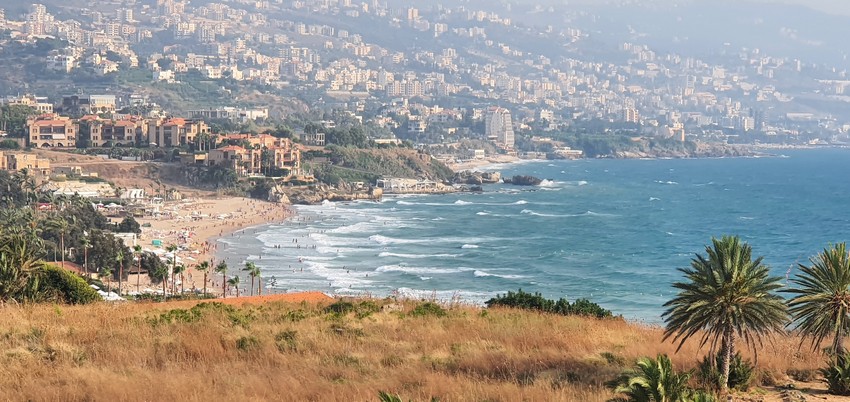
While we, as UNIFIL veterans, feel a strong bond with Lebanon, the country is largely unknown to many.
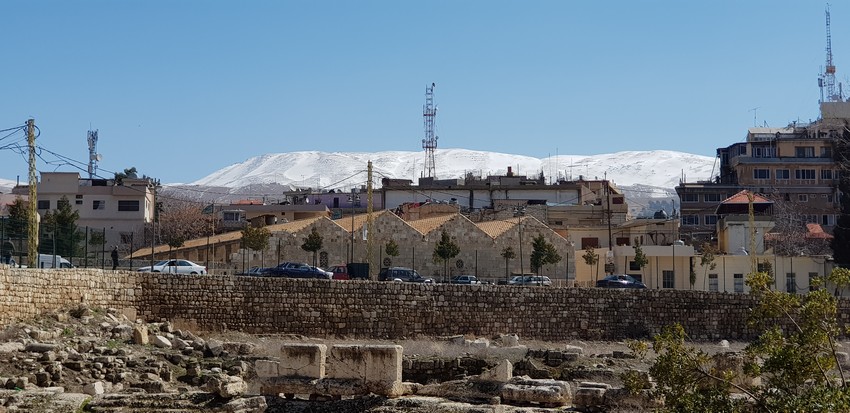
The country is the cradle of our current alphabet and has a centuries-long history.
To explain this a little more, we have listed a number of facts for you:
Lebanon has an area of 10,452 km2
Population: 5.9 million
1.5 million Syrian refugees
475,000 Palestinian refugees
18 Religions, This Creates Tremendous Cultural Diversity
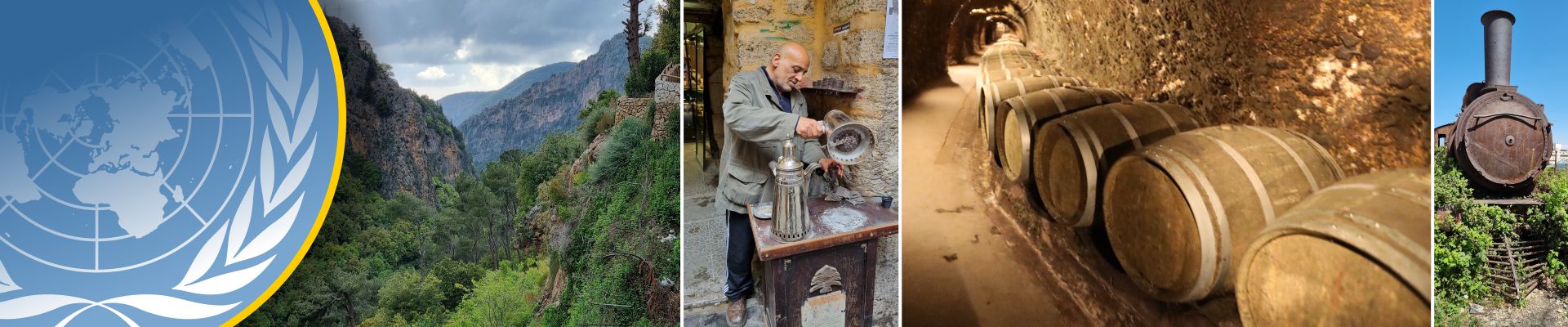
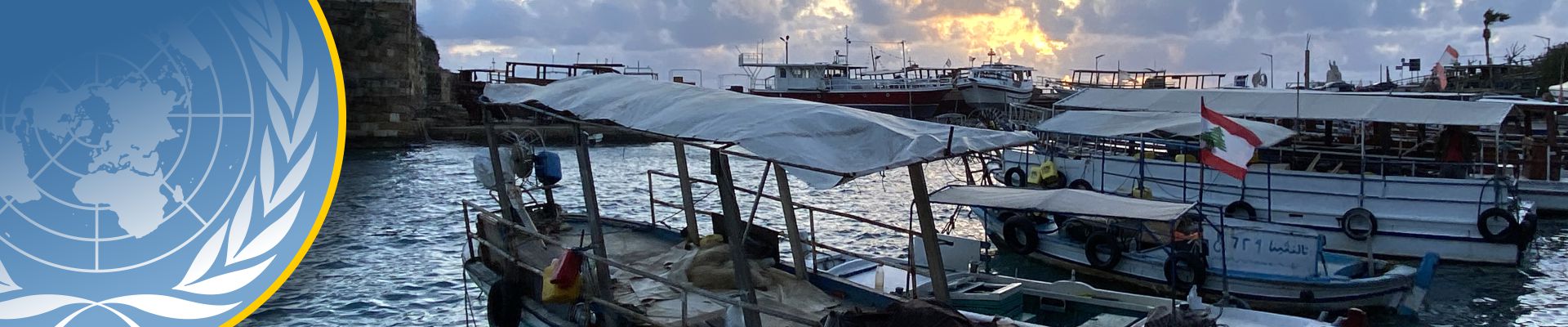
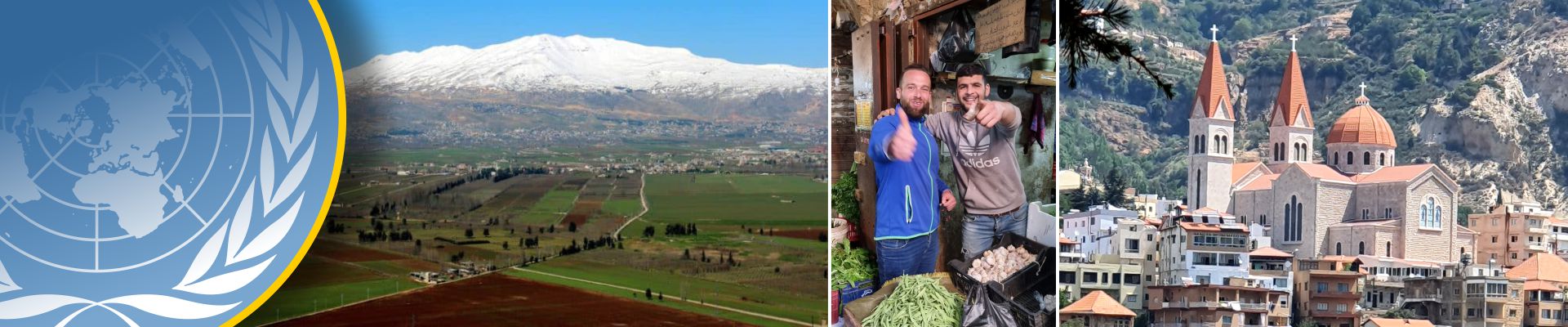
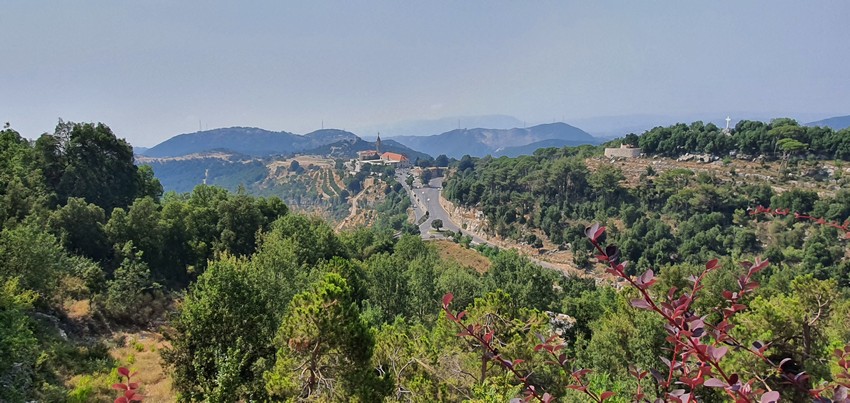
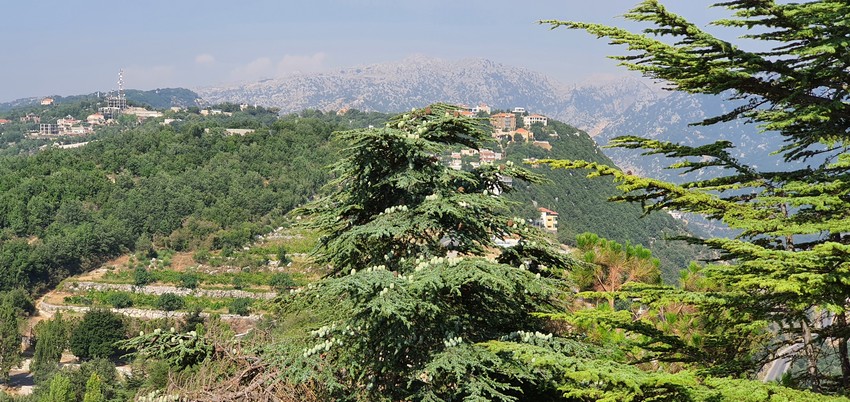
Unique geography: The inland mountains allow you to ski in the morning and relax by the Mediterranean Sea in the afternoon.
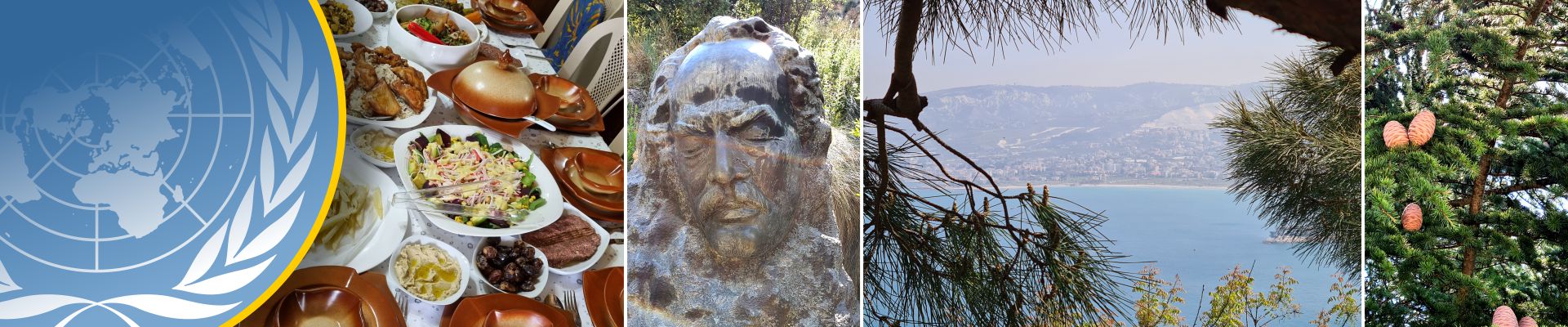
Culinary: Lebanese cuisine is internationally known for being refined and healthy, with world-famous mezze.
Wine culture: The Bekaa Valley has been home to quality wines for thousands of years, such as those from the famous Château Ksara
In comparison, the Netherlands is 4x as large with an area of 41,543 km2
Population: 18.5 million
Geography:
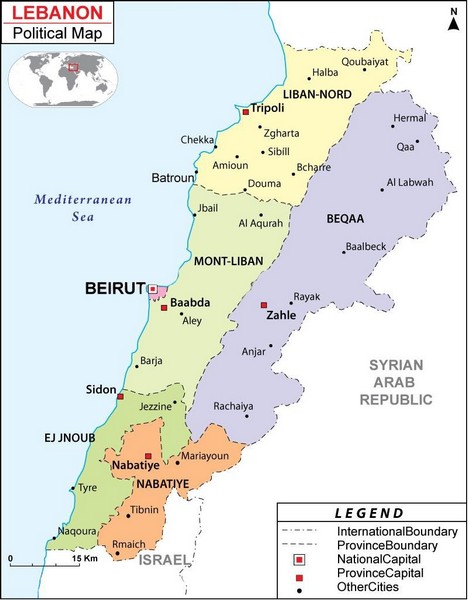
Lebanon borders the Mediterranean Sea to the west, bordering Syria to the north and east, and Israel to the south. The country measures 200 kilometers along its longitudinal axis from north to south and a maximum of 75 kilometers inland from the coast.
Population
About 5,9 million Lebanese live there, with a composition of Christians, Arabs, Shiites, Sunnis and many other minorities.
In addition, there are about 475,000 stateless Palestinian refugees, 45% of whom live in 12 refugee camps across the country, and there are about 1.5 million Syrian refugees.
The city of Beirut is one of the most varied cities in the Middle East, divided between Christians (Maronites, Melkite Greek Catholics, Greek Orthodox, Armenian Orthodox, Armenian Catholic, Roman Catholic and Protestant), Muslims (Sunnis, Shiites) and a minority of Druze and Jews. In 1991, shortly after the war, the population was estimated at 1.5 million people; now in 2026, it is estimated to have a population of 2.5 million and about 0.5 million Syrian refugees. About 40% of the inhabitants of Lebanon live in Beirut.
Lebanese Civil War (1975-1990)
In 1973, an outbreak of violence took place between government militias and the PLO Palestinians living in Lebanon. In 1975, the Lebanese Civil War broke out. The different parties in the civil war became divided among themselves, which increased the confusion in the conflict.
In 1976, Syrian troops entered Lebanon, later followed by UN troops UNIFIL (1978 to the present) and the Israeli army (1977 and 1982).
Under pressure from Saudi Arabia, Morocco and Algeria, the warring parties signed the Taif Peace Agreement in 1990.
The Agreement provided for political reforms, democratic recovery and Syrian presence. The real ruler, however, was the Syrian army. The Israeli troops remained in Lebanon until 2000, the Syrian troops left in the spring of 2005.
In 2006, another war broke out with Israel. In July of that year, the Hezbollah militia captured 2 Israeli soldiers. Israel, in response, caused serious damage to Lebanon's civilian infrastructure (including Beirut airport) with airstrikes.
On the 4th of August, 2020, an explosion occurred in the port area of Beirut, close to the center. A part of 2750 tons of ammonium nitrate, which had been stored in a shed for many years, exploded and destroyed large parts of the capital. There were more than 200 dead and around 6000 thousands wounded.
Less than a week later, on August 10, the Lebanese government resigned after major protests following the disaster.
Now in 2026, the country is still recovering from that major disaster, and a war has been added in the meantime. The people of Lebanon yearn for peace and quiet and can finally recover from the many traumas they have experienced.
For further information about spectacular Lebanon, you can view other articles on our site. Have fun discovering a special country and its inhabitants.